ISO9001, SAE.DOT, E Mark) to global automotive manufacturers. ISO9001, SAE.DOT, E Mark) to global automotive manufacturers.

 ADMIN
ADMIN
 13-Feb-2026
Every year, millions of road accidents happen worldwide due to poor visibility, unexpected breakdowns, and a lack of roadside safety precautions. One small but powerful safety device, the warning triangle for cars, plays a critical role in preventing secondary accidents and protecting drivers, passengers, and other road users.
A high-quality emergency warning triangle improves visibility, alerts approaching traffic, and significantly reduces the risk of collisions during roadside emergencies.
In this guide, we explain 7 real-life situations where a warning triangle can truly save lives, along with proper usage tips for maximum road safety.
Highways involve high-speed traffic, making sudden vehicle breakdowns extremely dangerous.
When your vehicle stops unexpectedly:
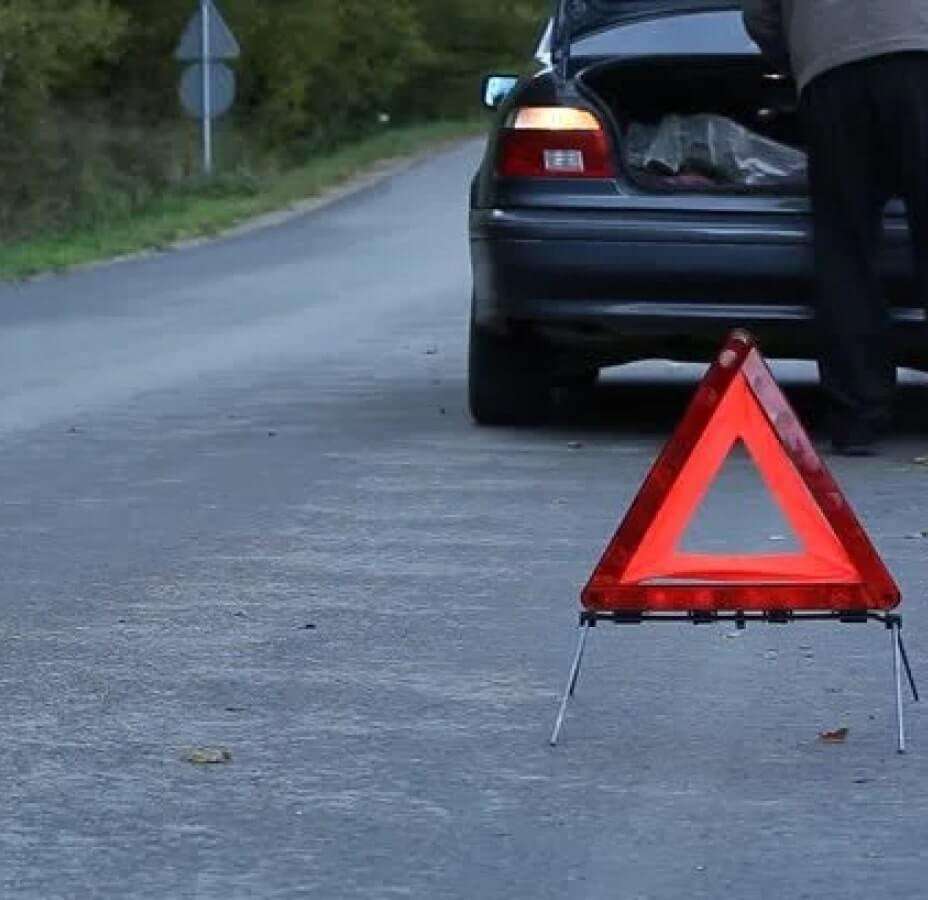
Placing a reflective roadside warning triangle behind your vehicle alerts approaching traffic well in advance, giving drivers enough time to slow down and change lanes safely.
Recommended placement distance:
Flat tires and engine failures often happen without warning, especially during long-distance driving.
Without a visible warning signal:
An emergency car triangle ensures your vehicle is visible from long distances, especially when combined with reflective materials and fluorescent colors.
After an accident, vehicles left on the road become unexpected obstacles, increasing the risk of secondary crashes.
A hazard warning triangle:
Proper triangle placement allows emergency services and recovery teams to work safely.
At night, reduced visibility makes breakdowns and accidents far more dangerous.
Even hazard lights may not provide enough advance warning.
Reflective warning triangles bounce back headlights, making stopped vehicles visible from hundreds of meters away — critical for night-time roadside safety.
Bad weather dramatically increases accident risks:
A high-visibility warning triangle enhances detection and allows approaching drivers to slow down safely, preventing sudden braking and collisions.
Blind curves and hilly terrain create extremely dangerous roadside conditions.
By placing warning triangles before curves or slopes, drivers approaching from behind receive early visual alerts, reducing the chance of sudden collisions.
During towing or roadside recovery:
Using multiple road emergency triangles creates a safety zone, protecting both drivers and roadside technicians from oncoming traffic.
A certified warning triangle for car offers:
Professional-grade warning triangles ensure long-lasting durability and maximum safety performance.
Correct placement is critical for safety:
Road TypePlacement Distance
City Roads 30 – 50 meters
Highways 100 – 150 meters
Curves / Hills Before blind spots
Tip: Always wear reflective clothing while placing the triangle.
Why Professional Drivers and OEMs Choose High-Quality Warning Triangles
Low-quality warning triangles:
High-quality automotive safety accessories:
At TorchAccessory.com, we specialize in:
Our products meet global automotive safety standards and are trusted by distributors, wholesalers, and automotive manufacturers worldwide.
We provide:
Contact our team today for bulk orders, OEM solutions, and competitive pricing.